Studio

Fabled India Games: - Crafting immersive adventures.

Professional Freelance Services

  • design icon

    Game Design

    Polished 2D, 3D, mobile, and VR games delivered with complete publishing support for Google Play, Meta Quest, and Steam.

  • Web development icon

    Interactive Apps For NGOs

    Interactive computer applications, Web experiences, computer assisted PCVR applications crafted for businesses, NGOs, and creative professionals.

  • mobile app icon

    Mobile Games

    GooglePlay optimized educational games paired with interactive product marketing experiences.

  • camera icon

    XR Apps (AR & VR)

    Complete XR services for AR/VR games, professional training simulations, custom VR experiences, and specialized visualizations for healthcare, real estate, and product demonstrations.​

Clients

Portfolio

Please check "Gallery" for Portfolio media.

    Early Beginnings: Initially experimented with adobe macromedia flash to make short flash movies in windows xp in 2003. Learned the basics of scripting and animation through builtin Flash tutorials, built several “control a bug” game as an early introduction to game design.

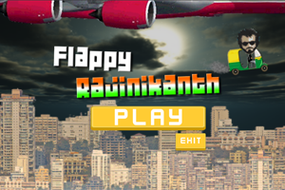
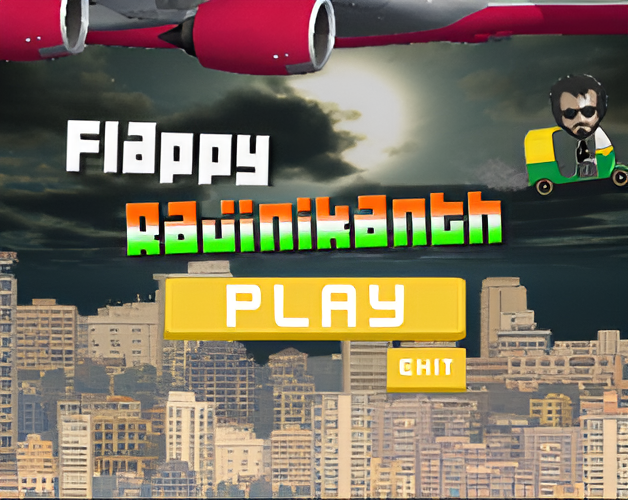
    Flappy Rajinikanth:

    • Published in 2013 as a prototype to learn unity3d.

    • Inspired by the viral success of Flappy Bird that year, this 2D side scroller pays tribute to South Indian superstar Rajinikanth, the Chuck Norris of India as a way to provide some humor in game.

    • Developed in Unity3d, the game humorously features Rajinikanth racing a jumbo jet in an auto rickshaw over the Mumbai skyline to avoid horrible Mumbai traffic.

    • With simple yet addictive game mechanic of helicopter flash game and flappy bird game, it merges the iconic style of Rajinikanth humor with the charm of Flappy Bird viral phenomenon.

    • The game was also published on Facebook.com, it was a proud personal milestone, letting it share space with some of the era’s most popular social games, including FarmVille, Yoville and Mafia Wars.

    • Reuploaded on itch.io: Flappy Rajinikanth

    • Check out the game on Kongregate: Flappy Rajinikanth (webgl required to play)

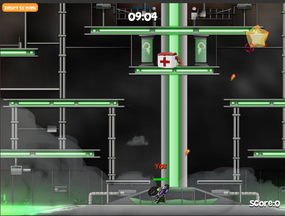
    Turf Wars 2D Multiplayer:

    • 2D multiplayer PvP arena shooter, adapting the popular flash game RAZE's single-player combat mechanics into real-time multiplayer battles on Unity4 with help of Photon PUN networking allowing for upto 20 concurrent players to enjoy flawless nostalgic gameplay and was a huge hit on Kongregate.

    • Designed for Kongregate.com under contract. The Title was directly inspired from GTA San Andreas Multi Theft Auto (MTA) servers iconic "turf wars" gamemode, where rival player gangs battled for territorial control in Las Venturas. This was a multiplayer prototype to relive flash game nostalgia. Provided Multiplayer rooms for tactical, fast paced 2d side scroller platformer combat across multiple interesting and fun maps.

    • Players were able to join existing rooms or create new ones on any platform (pc,mac,webgl) as the game was cross platform thanks to PUN networking.

    • Check out the game on Kongregate: Turf Wars 2D Multiplayer (webgl required to play)

    World War 2 Dogfight Simulator:

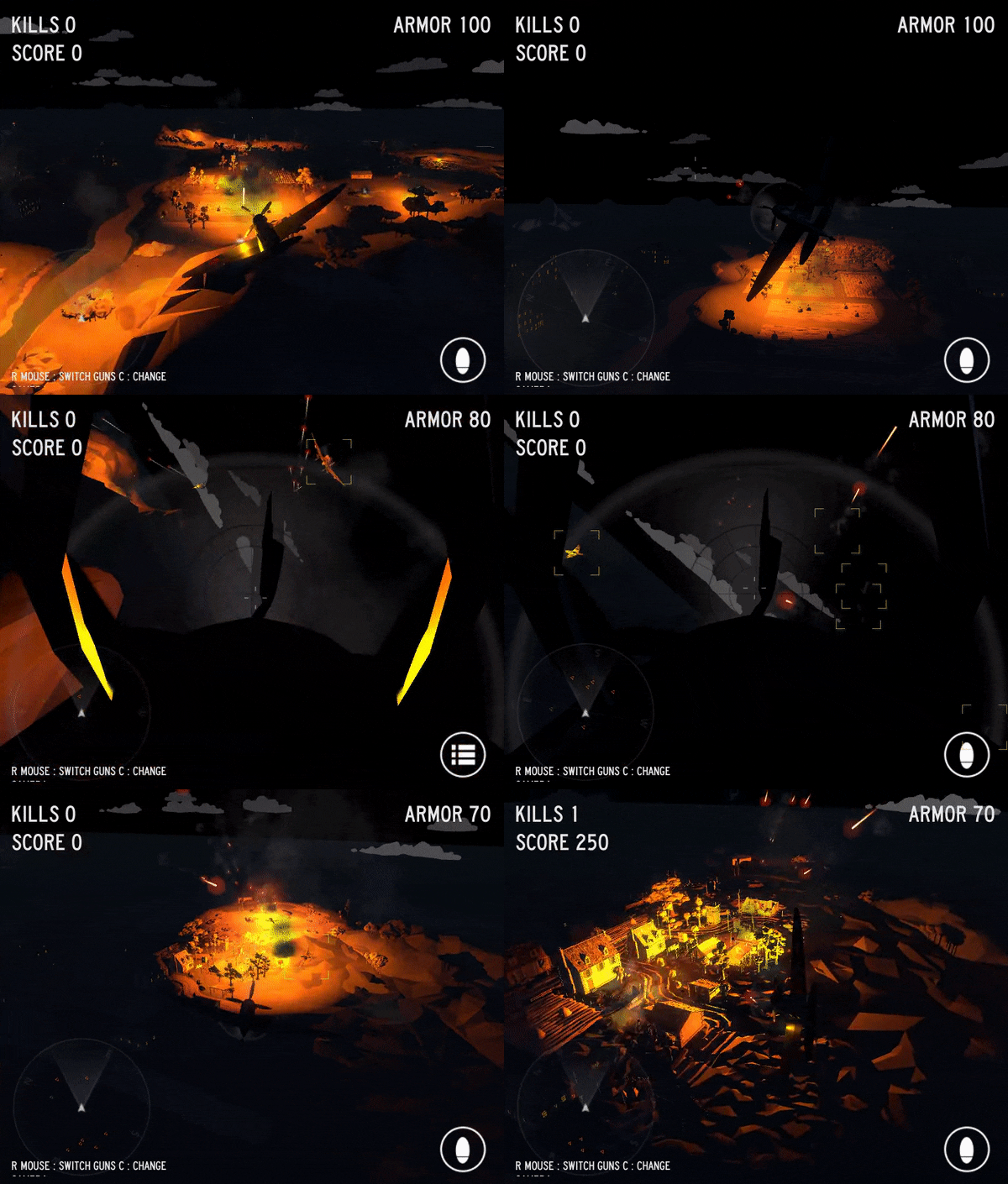
    • Designed and developed a World War II themed combat flight action game inspired by classic MS-DOS and early Windows flight simulators, aiming to recreate vintage air combat with modern controls and visuals.

    • Motivated by the lack of short, fast paced aerial combat games, this project was shaped to deliver quick, engaging and endless vintage dogfighting gameplay experience centered around achieving highest scores on the leaderboard.

    • Built in Unity3d using C#, featuring simple arcade flight physics, endless enemy wave generation with ever increasing difficulty, AI pathfinding in air, and ground ai controlled turret defense systems to provide a challenging enviornment for player to defend and diffuse air attacks.

    • Published on Itch.io for Windows, Linux, macOS and webgl with multiple post-release updates, performance optimization, asset upgrade driven by community feedback. One of my still most loved games in 2026.

    • Check out the game on Itch.io: World War 2 Dogfight Simulator

    1942: Spitfire Dogfight VR:

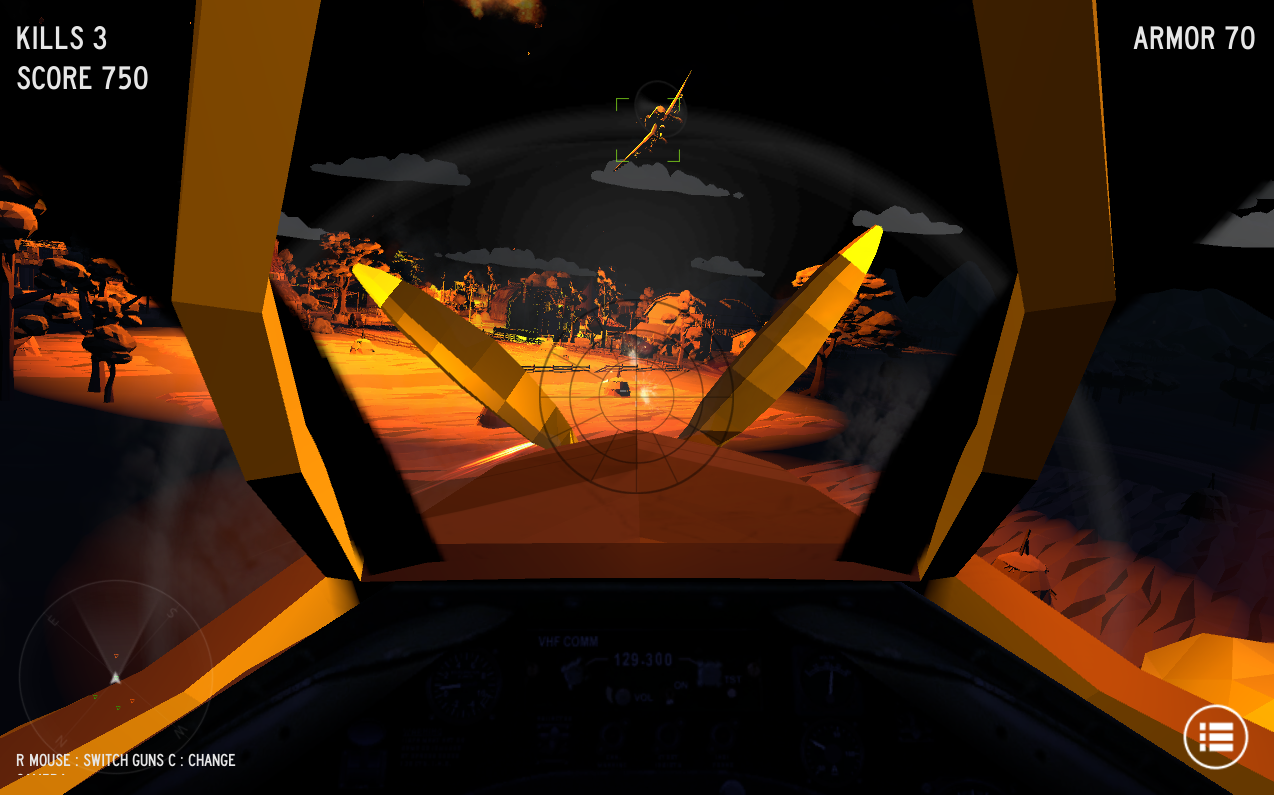
    • A rebuilt and enhanced high-definition VR adaptation of the original WW2 Dogfight Simulator, designed to deliver a fully immersive aerial combat experience.

    • Developed in Unity with C#, this PCVR version blends traditional keyboard and mouse controls with full VR headset integration, allowing players to experience the intensity of air combat from inside the cockpit while maintaining comfortable, familiar control options.

    • Featuring a 360° pilot view from inside the cockpit, dynamic lighting or live ariel warfare, and atmospheric night missions, the experience amplifies intense ariel combat and tension transforming the original arcade dogflight gameplay into a immersive simulation of WWII dogfighting.

    • Check out the game on Itch.io: 1942: Spitfire Dogfight VR

    Roblox.com (Content Creator): Started experimenting with non Flash based game development on the Roblox platform since 2007 (one of the very first roblox content creator), using it as a sandbox for prototyping core principles of game design, RPG design, game system, tycoon economy mechanics, gameplay balancing, and multiplayer fun mechanics. These projects served as early explorations into both singleplayer and multiplayer game design, later reimagined and expanded upon in Unity3D. Earned several hundred thousand Robux (roblox currency) through player engagement and community driven updates.

    Note: Roblox account and software are required to play below games.

    Stone Wheel Life: A multiplayer RPG life simulator focusing on player run economy, job progression systems, player customization through housing and vehicle and furniture ownership, quests and holiday adventures, helped build a massive fan following. Play Here: Stone Wheel Life

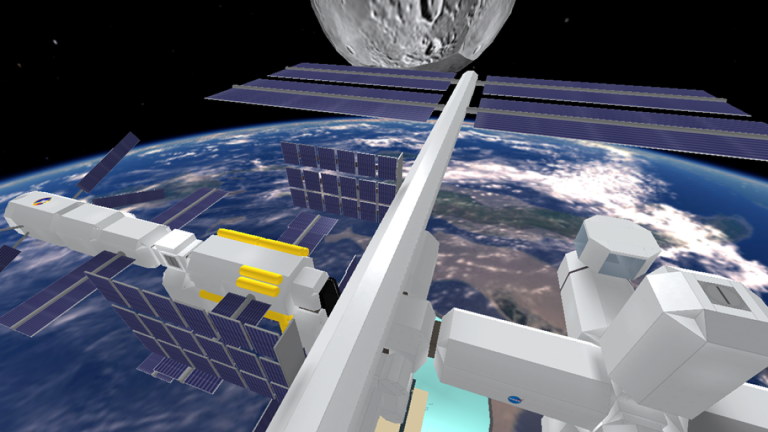
    The NASA Simulator: A multiplayer co-op space flight simulation game, focus on rocket design and NASA roleplay, allowing player controlled rocket and shuttle operations, mission completion, space exploration, and orbital flight mechanics. Play Here: The NASA Simulator

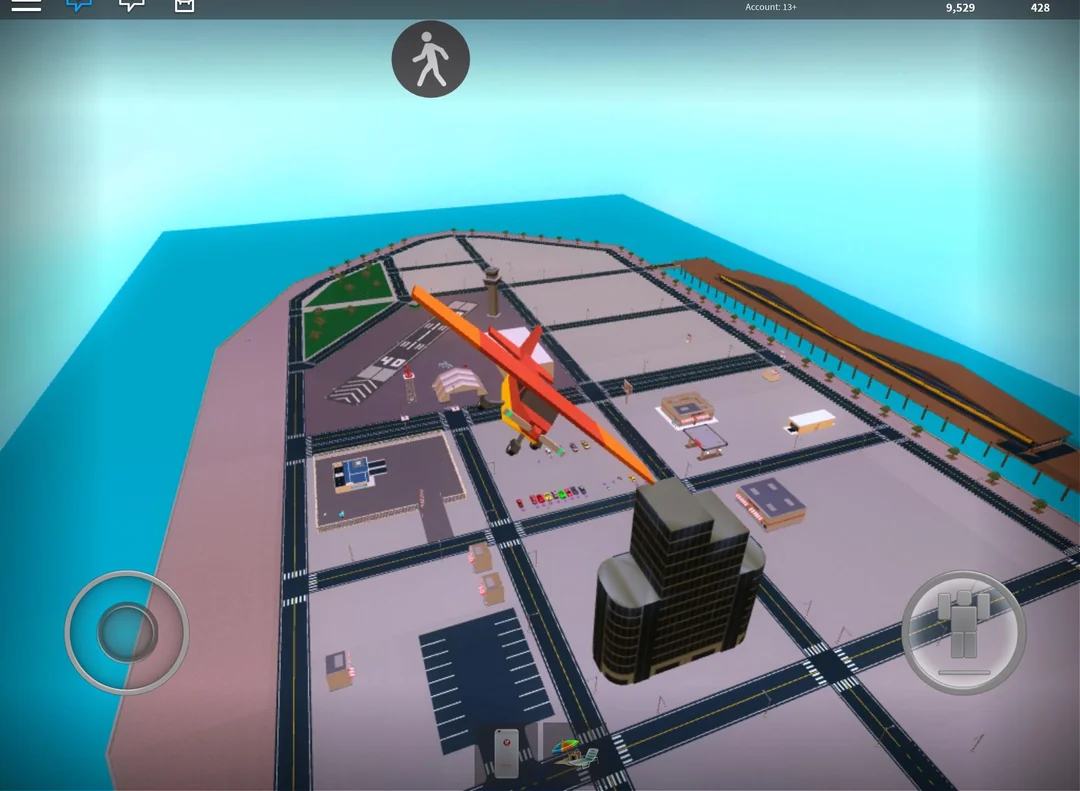
    2017 Airport Tycoon: A competitive economic simulation experimenting with persistent world systems, player owned asset management tycoon game. Play Here: 2017 Airport Tycoon

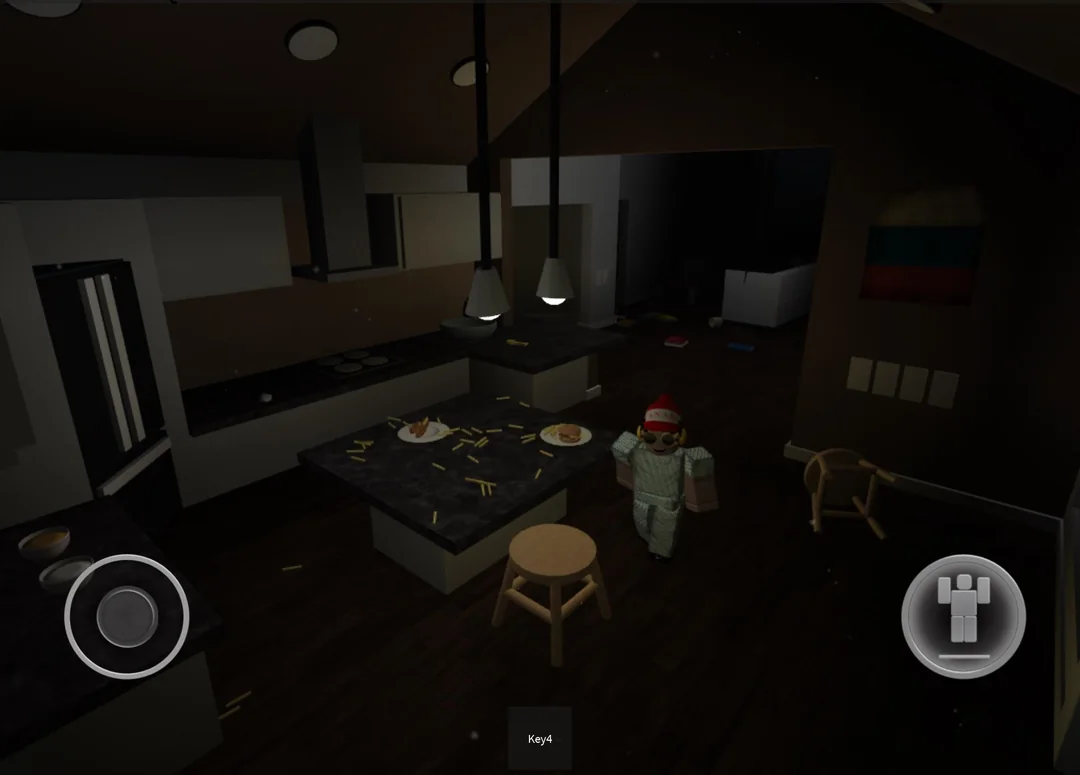
    Turing Test (roblox horror prototype) – A singleplayer horror prototype exploring fixed-camera design, environmental storytelling, and tank controls inspired by retro survival horror games like Silent Hill and Resident evil. Play Here: Turing Test WIP Showcase

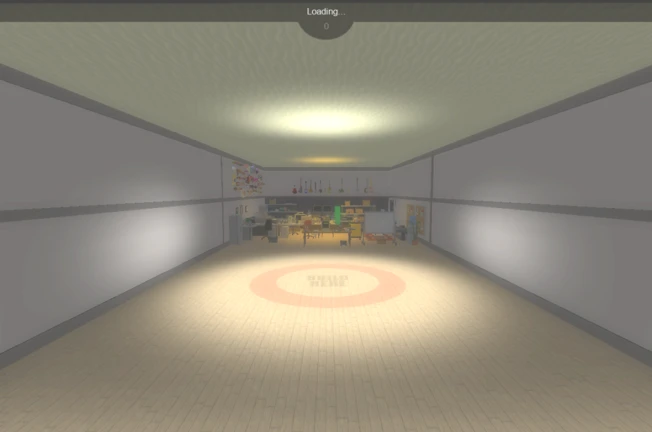
    Interior Design Competition: A multiplayer creative challenge centered on timed level design competition, object placement systems, and peer based voting mechanics for fun user engagement. Play Here: Interior Design Competition

    Core Engine (Manticore): Joined Core Engine in 2021 and won Core game jams four times in a row, got awarded considerable amount of money.

    • Joined Global Game Jam Core Diversifier in 2021 and was fortunate enough to grab 3rd spot worldwide, got awarded $1000 USD.

    • A few of my Core Engine works.

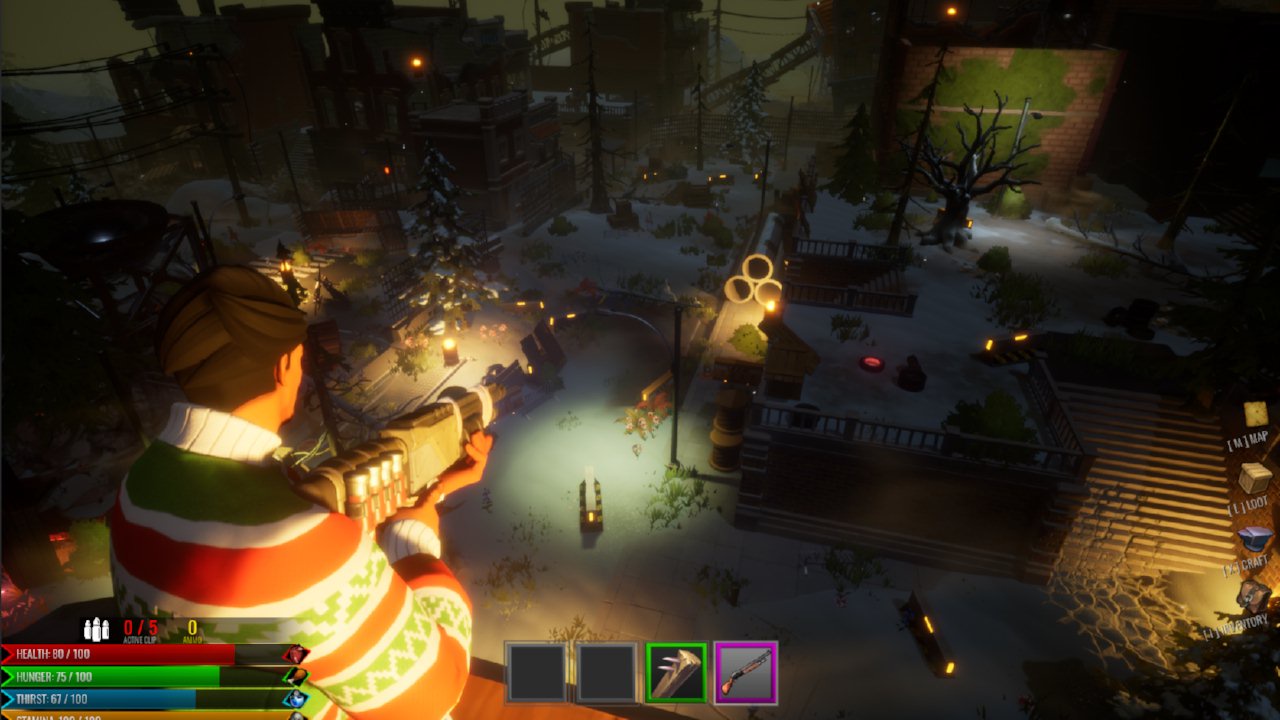
    Ground Zero: The Encounter (PvP): This is a third-person PvP and PvE zombie survival MMO on Core Games.

    • Players can explore a vast map, gather supplies, and fight to gain control of hidden bases, which enhance their resource generation.

    Ground Zero The Encounter: Play here: Ground Zero The Encounter

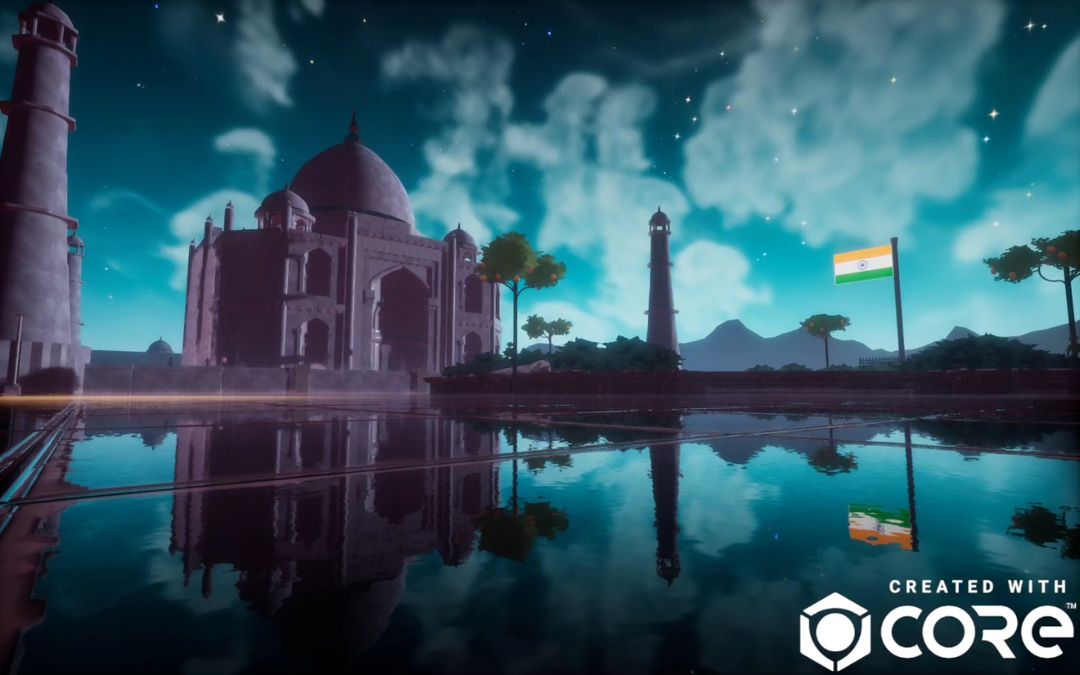
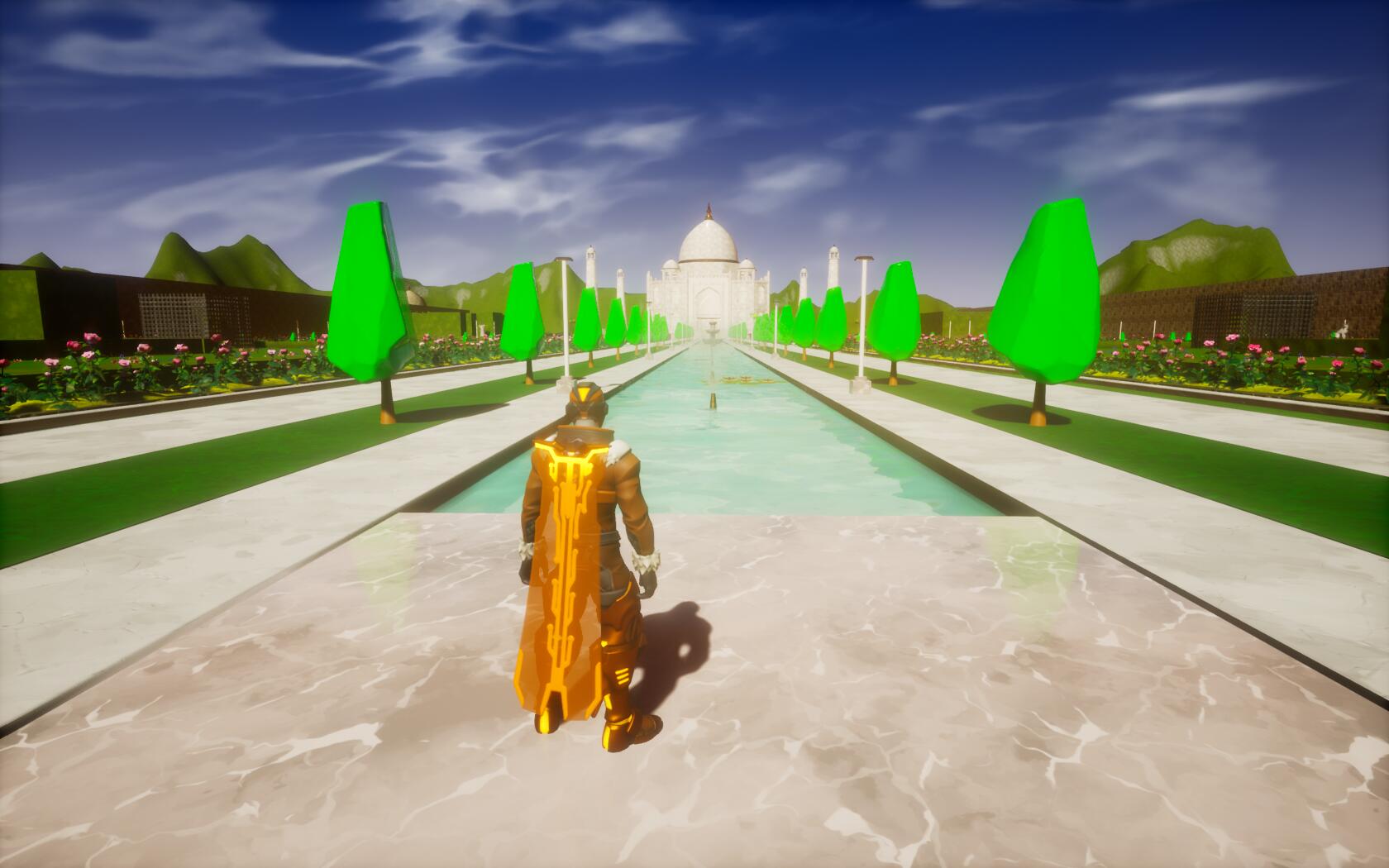
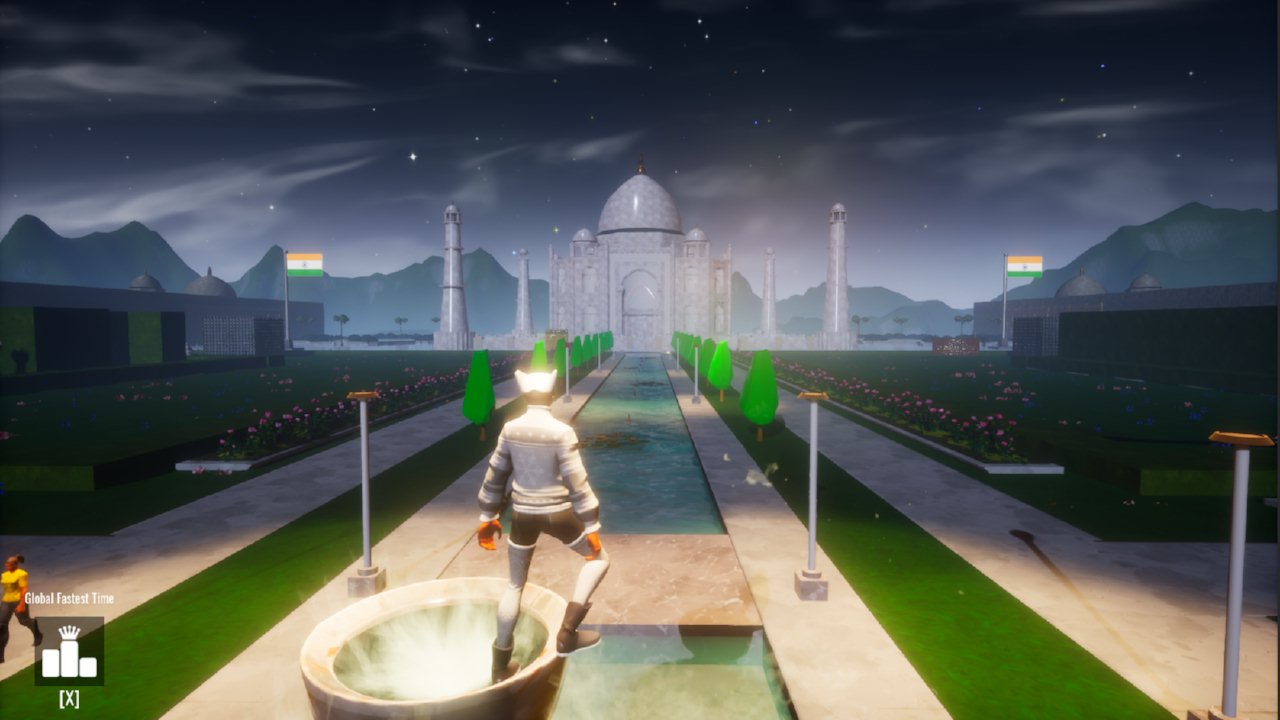
    The Mystery of Taj: A speed-running game where players compete to solve puzzles and complete their speedruns.

    • This entry for the game jam was based on the theme of Famous Landmarks.

    • I created a game around Taj Mahal, which I built using kit-bashing with core provided 3D models.

    The Mystery of Taj: Play here: Play here: The Mystery of Taj

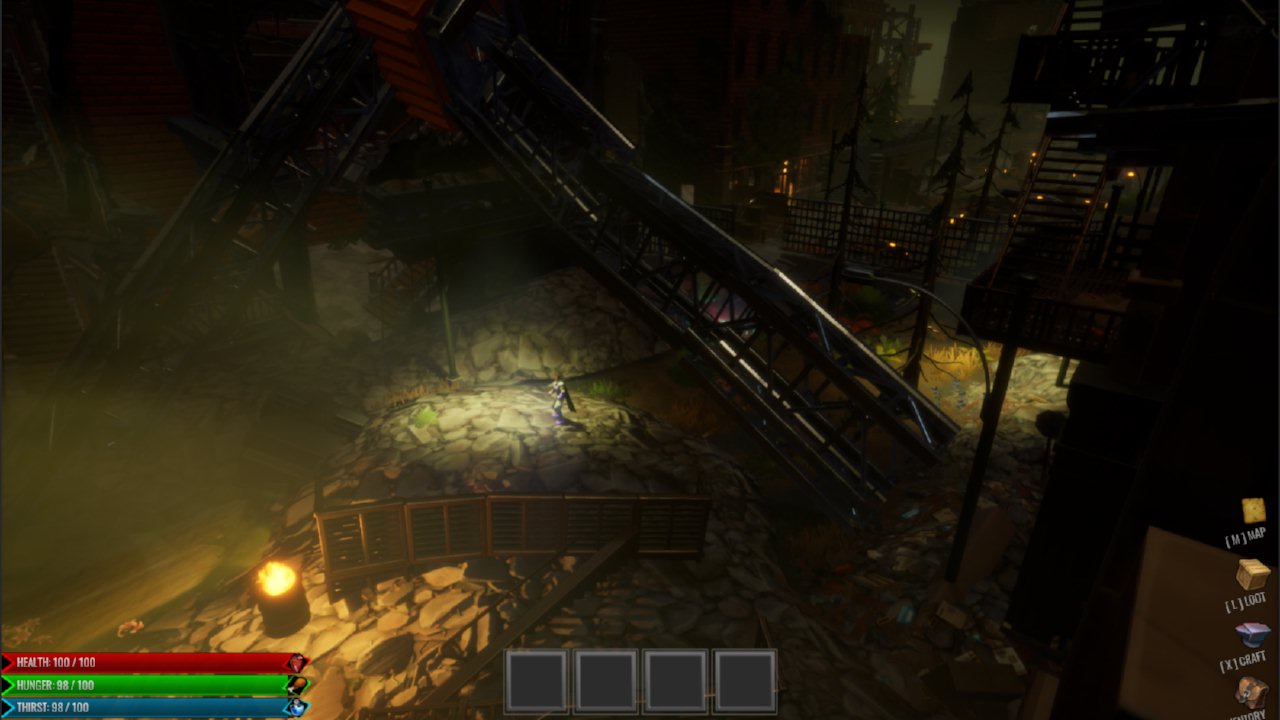
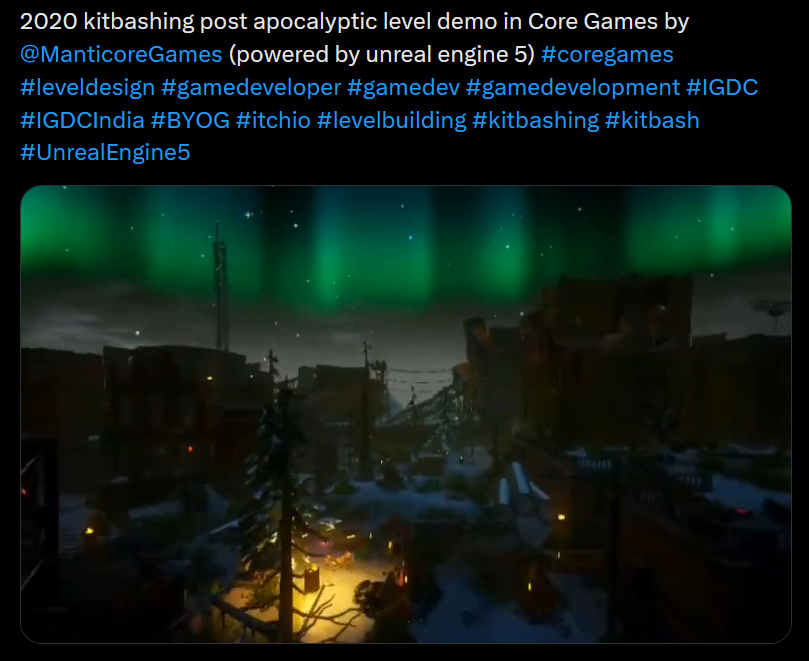
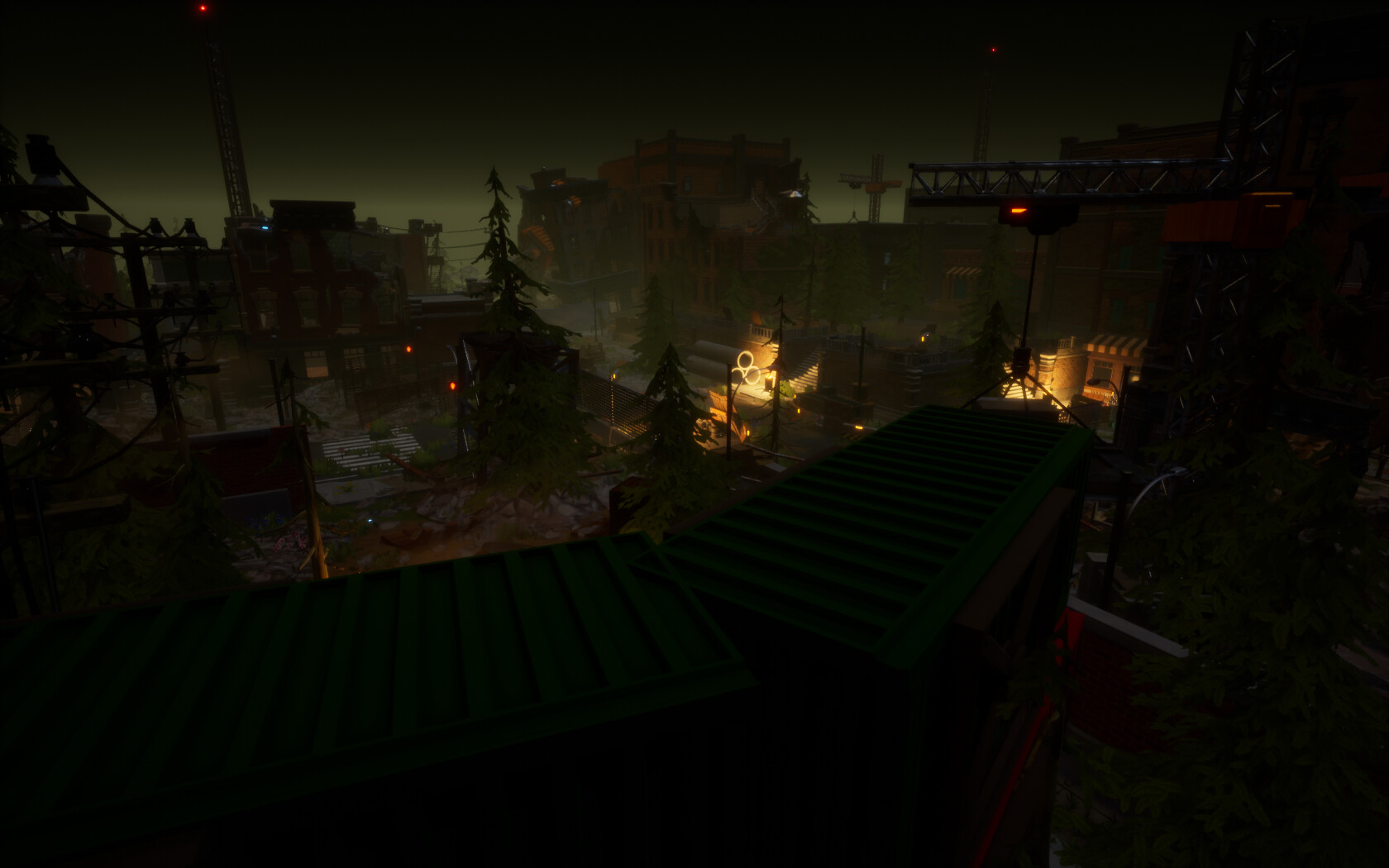
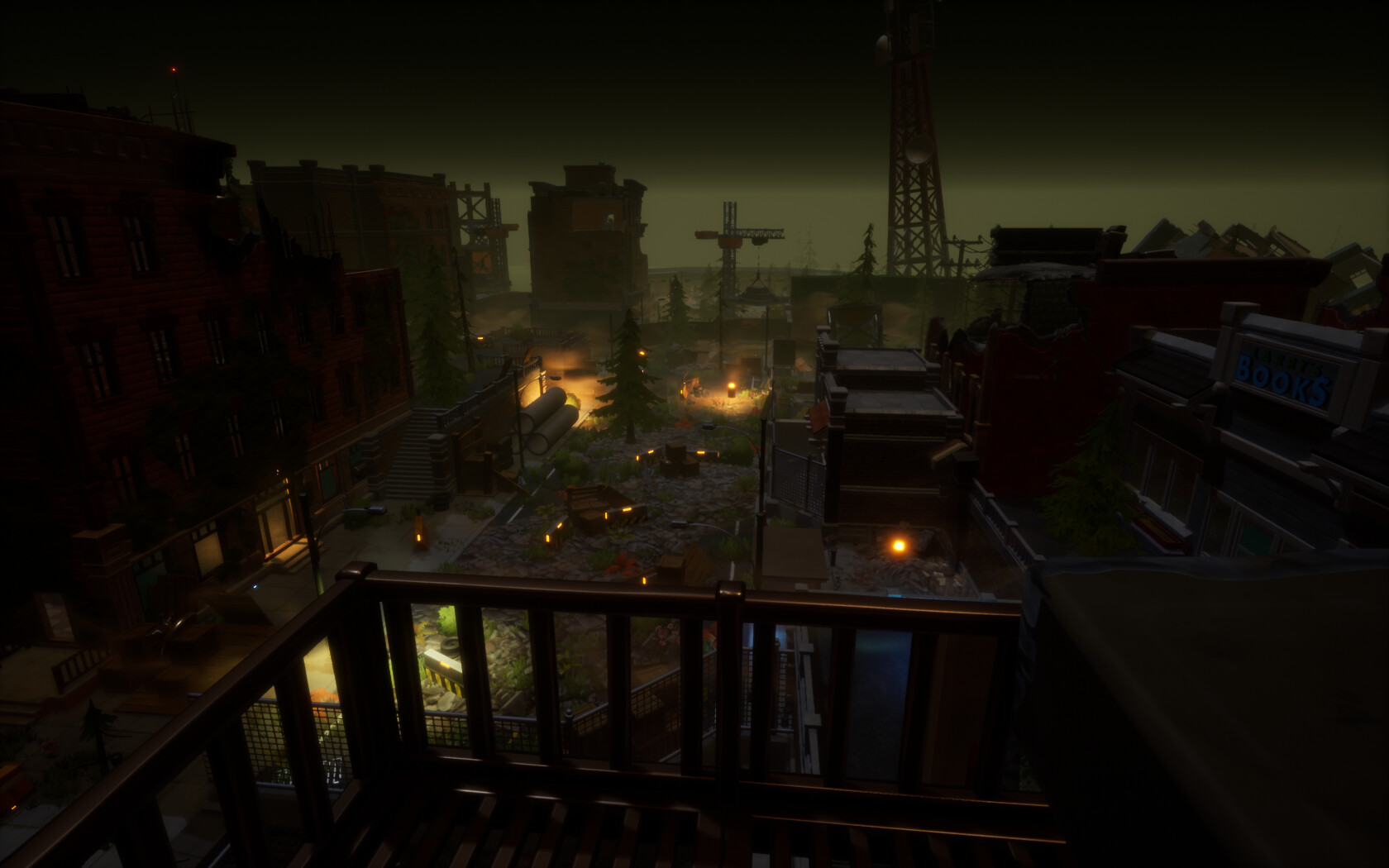
    Ground Zero: The Beginning: This is an award winning top-down game, inspired by Resident Evil and Silent Hill's "fixed-camera-system and tank controls" and focuses on PvP and PvE within an MMO environment on Core Plateform (the original UEFN). Won for unique gameplay and best post apocalyptic level design.

    • Players compete for resources in a war-torn, zombie-infested city level, with the main objective being to complete quests to disable a ticking nuclear bomb.

    Ground Zero The Beginning: Play here: Ground Zero The Beginning

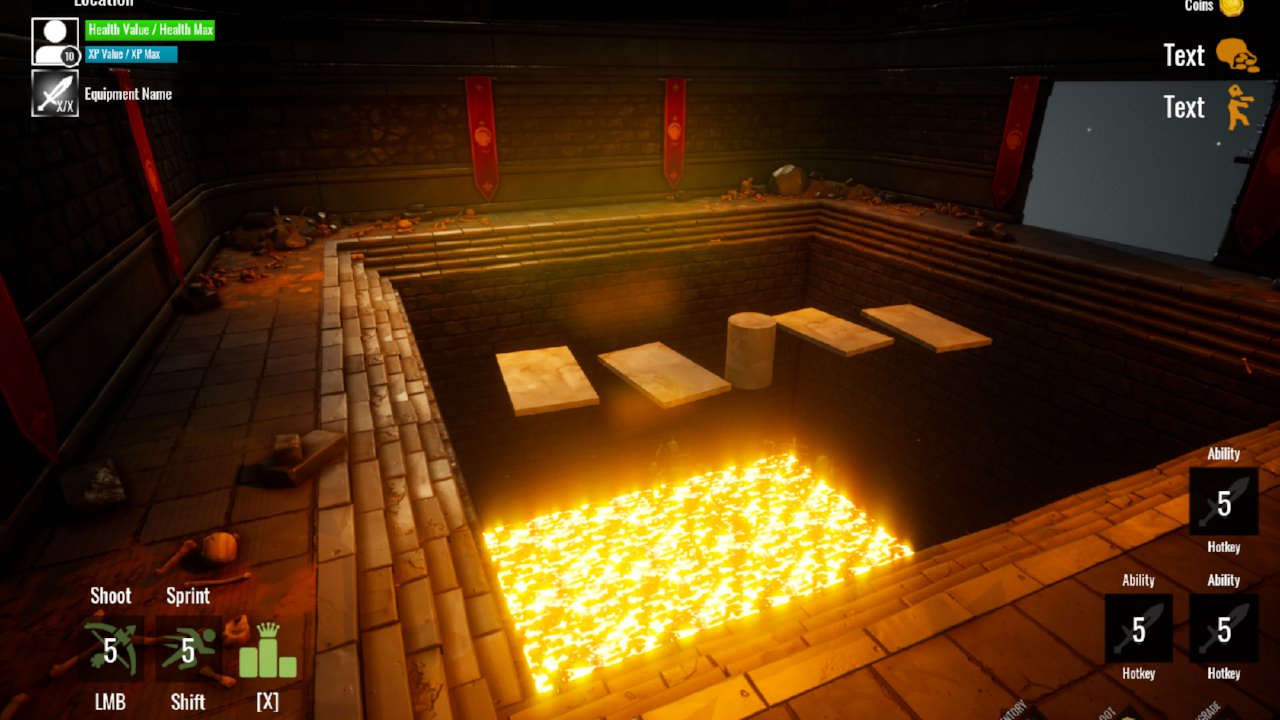
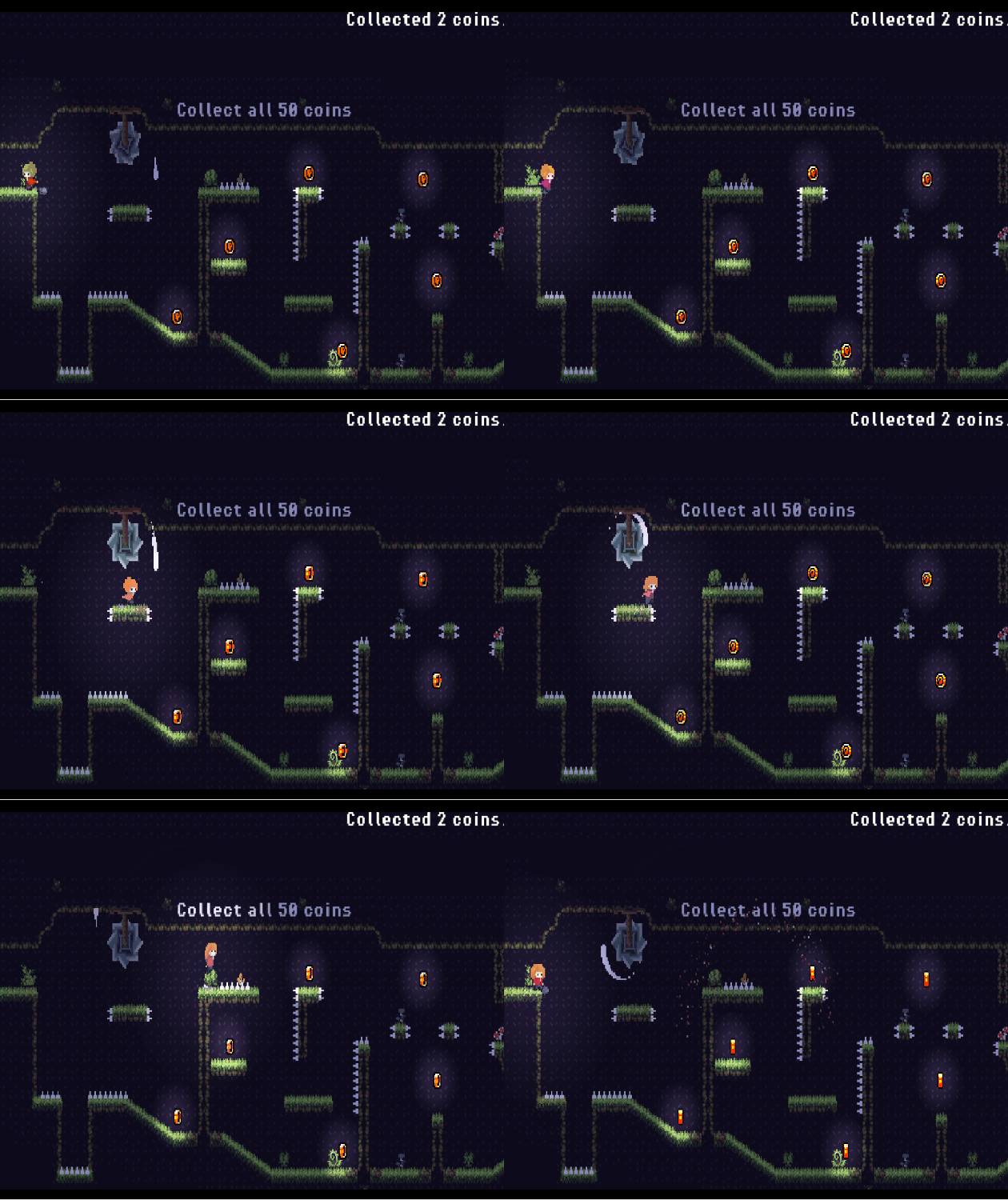
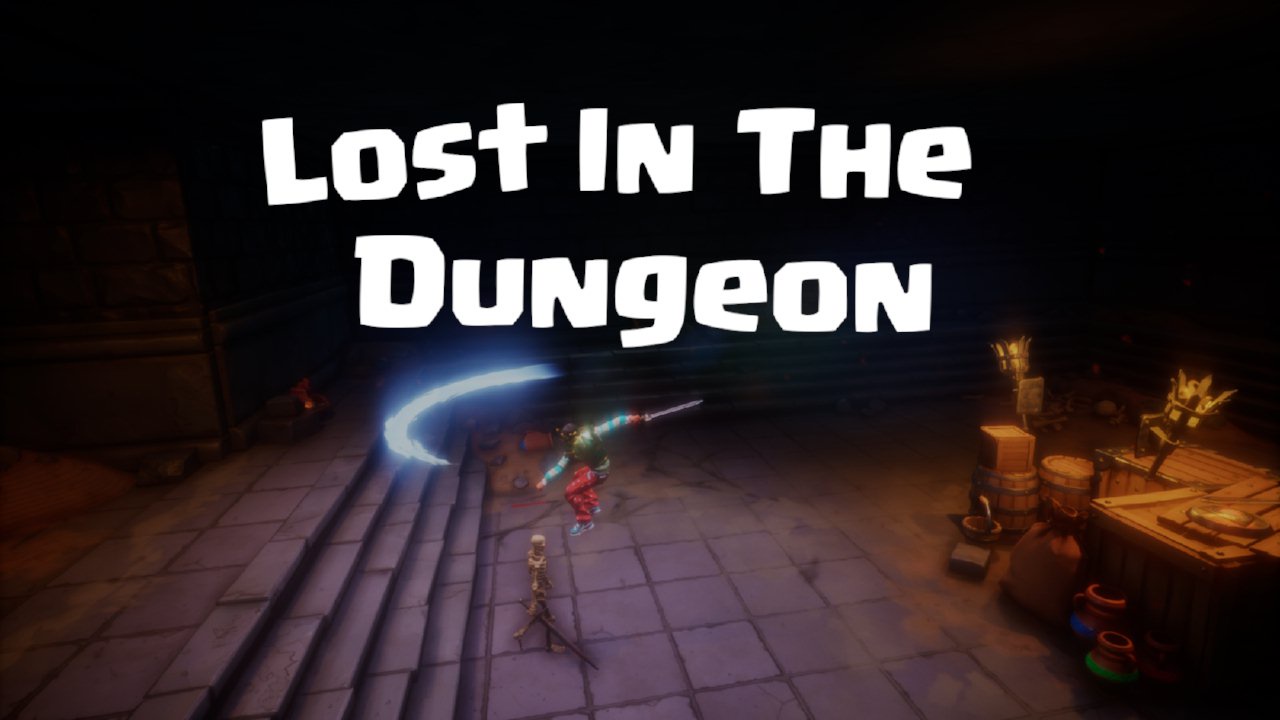
    Lost in the Dungeon: A single-player 2D side-scrolling infinite dungeon crawler where levers are scattered throughout the map.

    • These levers must be triggered in a specific order to open the treasure room located to the left of the spawn point, giving players a clear objective.

    • As players explore the dungeon, they encounter various enemies, bosses, and traps.

    • The game was developed using kit-bashing techniques and also used community content.

    • Lua scripting was used for programming all the Core games.

    Lost In The Dungeon: Play here: Lost In The Dungeon

    Kongregate.com Verified Developer: Published games on Kongregate.com utilizing Unity's WebGL support to reach a wider audience for better exposure. Later partnered with Kongregate on a short publishing contract, which ended up when browsers dropped WebGL support. Later moved to itch.io.Earned verified Kongregate developer status and annual official GDC San Francisco invitations for platform contributions, continuing until the partnership ended.​

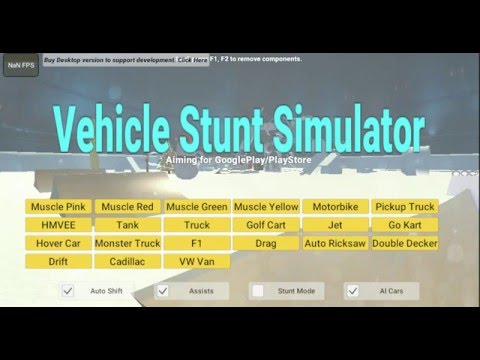
    Vehicle Stunt Simulator—a multiplayer vehicle stunting simulator where players race and perform stunts to earn coins for rare vehicles released each month and on holidays, utilizing Photon PUN for multiplayer networking, a synced leaderboard with Kongregate's official Statistics API for real time scoring and rankings.

    Play Here

    Flappy Rajinikanth— Ported facebook game over to Kongregate via webgl support from unity3d.

    Play Here

    Turf Wars Online—an online multiplayer 2D arena inspired by the RAZE flash game, also using Photon PUN for multiplayer networking, kongreagte leaderboard using API access.

    Play Here

Modding Experience

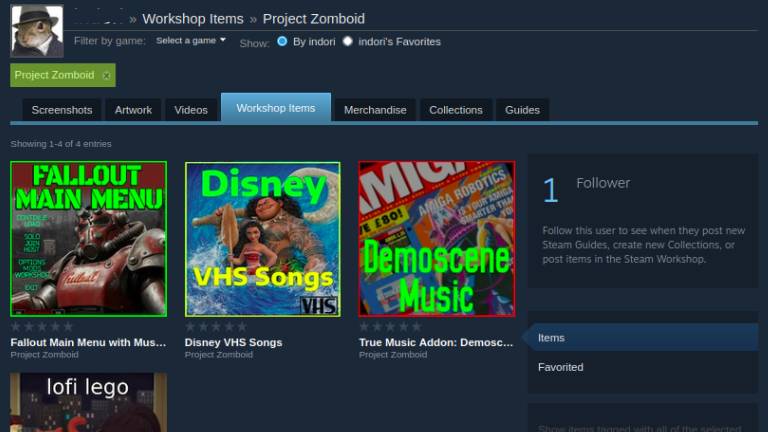
    Steam: Project Zomboid Mods: Developed content mods for Project Zomboid, an isometric zombie survival sandbox featuring expansive open-world maps and robust single-player/multiplayer support. Created expansions to enhance gameplay depth and player experience. Available on Visit Steam Workshop

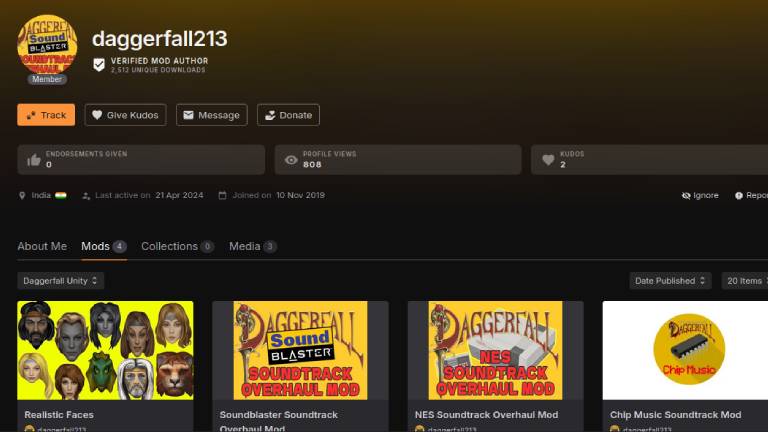
    NexusMods.com:Skyrim, Daggerfall Unity Verified mod author on Nexus Mods for Skyrim and Daggerfall Unity. Developed mods delivering unique gameplay enhancements and innovative content for both communities. View mods at Nexus Mods. Visit Nexus Mods

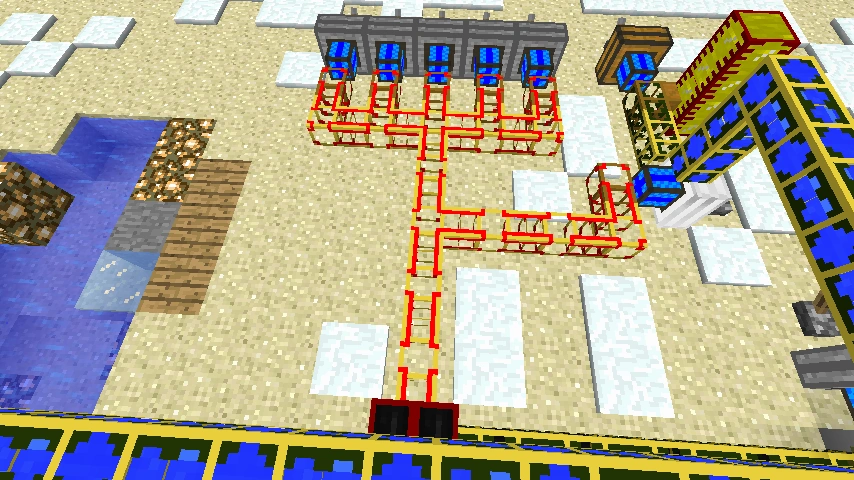
    Minecraft: Began modding Minecraft in 2011, creating graphical assets including texture packs, graphical enhancements, custom crafting recipes, and quest systems. Provided administrative, graphics, contributions to multiple minecraft servers during the game's early modding era.

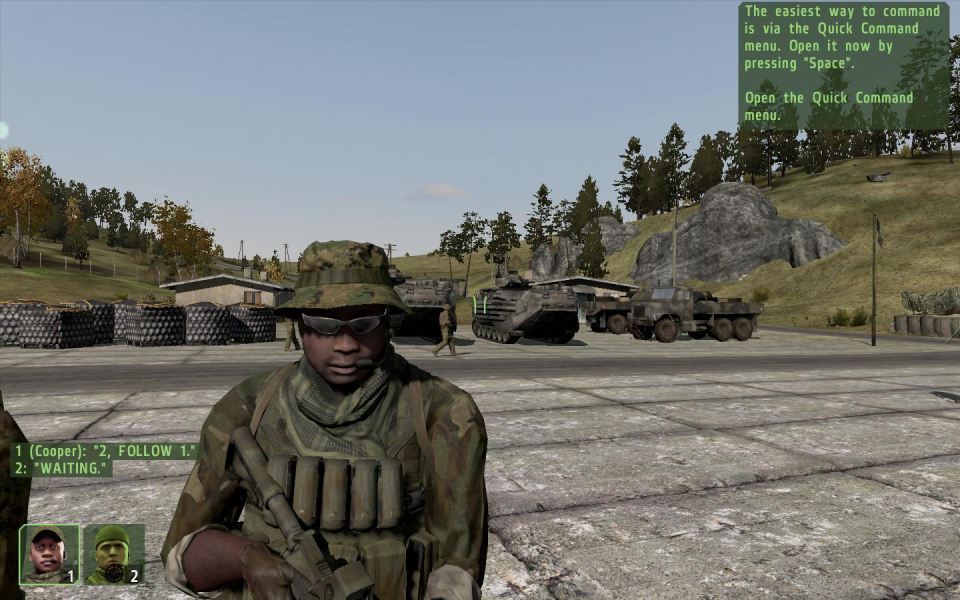
    Arma2, Arma3 DayZ: Provided environmental design, level design, scripted events using propiotery scripting, administration for multiple multiplayer servers for Arma 2 and Arma 3 since 2010. Contributed to Dynamic Zombie Sandbox servers, the technical foundation that turned into DayZ mod and later DayZ standalone.

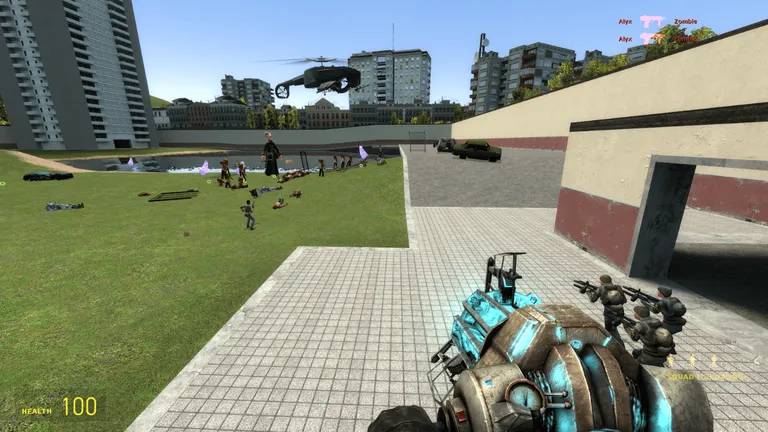
    Gmod: Joined Garry's Mod since 2010, providing modding and server management support for multiple servers running Sandbox, Trouble in Terrorist Town, Prop Hunt, and Gmod Tower game modes.

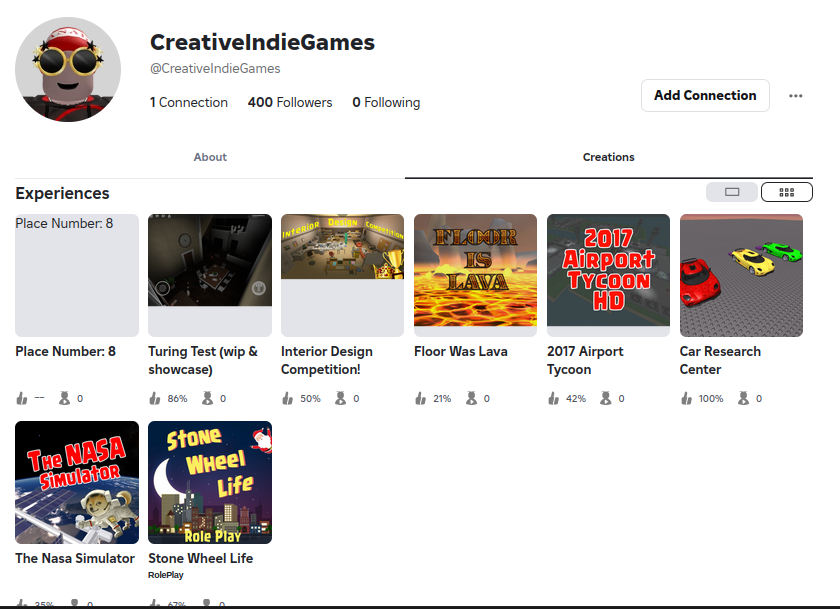
    Roblox: One of Roblox's earliest creators since 2007 (User #36681). Designed multiple RPG life sims and tycoon games while providing scripting and mod support for additional servers. Utilized Roblox's massive multiplayer playerbase for rapid prototyping and concept testing before recreating in Unity3D, gaining valuable player feedback. Visit Roblox Profile

Blog

Description of Image

The Art of the Unseen: Crafting Fear in Horror Games. Part 1

• "Fear is about what you don’t see." The most terrifying horror games don't rely on jump scares or monstrous creatures; they manipulate a player's imagination through expert sound design, clever lighting, and environmental storytelling.

• This concept is supported by famous quotes from masters of horror and suspense:

H.P. Lovecraft:

"The oldest and strongest emotion of mankind is fear, and the oldest and strongest kind of fear is fear of the unknown."

Alfred Hitchcock:

"There is no terror in the bang, only in the anticipation of it."

• Great examples of this are **Silent Hill's fog** and **Resident Evil's fixed camera system**. Both were originally born from hardware limitations, but they became key elements of suspense. The fog in Silent Hill hid what was ahead, making you feel that something could be lurking just out of sight. In Resident Evil, the fixed camera restricted your vision, building tension because you could never fully see what was around the corner, and a threat could jump out at any moment.

• This is the **anticipation of the unknown**. That feeling of "something will happen now" is what keeps the horror alive; the jump scare is just the end of that tension.

• **Sound design and lighting** give developers precise control over this escalation of anticipation. The ever-rising pitch of sound often heard in horror movies just before a jump scare is a classic tension-building technique. It signals that something is about to happen, creating a sense of unease. This can be a short buildup or a longer, professionally crafted version to maximize the horror.

• Afterward, a brief moment of relaxation follows, allowing the player to release tension before the buildup starts again. This constant interplay of **"relaxation and tension"** is a crucial element of great horror.

• Similarly, changing environments—from tense, narrow alleyways to comfortable, wide halls—also play a vital role in manipulating emotions. Use sound, light, story, and environment to play with these two elements. **Never just keep scaring the player**; give them moments of relaxation after tension to make the horror more effective.

• Rinse and repeat, sprinkle in some story, and you have a memorable horror experience.

• If you enjoyed my insights or would like to discuss horror game design, feel free to follow me!

Description of Image

Casual & Hyper-Casual Games: Understanding Their Appeal & How Mobile Phones Are Revolutionizing Gaming.

    • Video games have become a big part of our daily lives. Whether we are playing on our phones, computers, or consoles, there is a game for everyone. This wasn’t always the case; however, with the rise of mobile gaming, casual and hyper-casual games have become a significant trend and a door to video games. This shift has directly contributed to the growth of the video game industry by expanding its reach and introducing gaming to a much broader audience.

    • Have you ever thought about how different types of games are made for different people? By the end of this article, you’ll understand what these games are, who plays them, why they are important and what is the role of mobile phones. Let’s talk about it!

    What Are Casual Games?

    • Casual games are simple, fun, and easy to play, and are designed to be pick up and just play. They often have simple controls and require minimal time to understand, making them accessible to players of all ages and skill levels. These are the kinds of games you can play when you have a little free time, like during lunch breaks, while waiting for the bus, traveling in train or bus, before bed. You don’t need to spend hours learning how to play these games; they have simple mechanics and are designed to be addictive with key focus on quick entertainment and relaxation.

    Why are casual games so popular?

    • They are popular because they are accessible and don’t require long time commitment and often free to play. Players can pick up these games during short free time. These games are designed to reduce stress and offer an easygoing experience. Hence, they attract a broad audience because they can be played by people who don’t consider themselves a gamer.

    Key features of Casual games:

    • • Easy to learn, with simple mechanics.
    • • Can be played for short duration.
    • • Often free to play.
    • • Appeal to a wide range of players due to their simple mechanics and easy learning.

    • Popular casual games: Candy Crush Saga, Angry Birds, Subway Surfers

    What are hyper casual games?

    • Hyper casual games are even simpler than casual games. They have very basic controls, like tapping or swiping, and you can start playing them even without reading any instructions. The goal is often to beat your own high score or to see how long you can last without losing, and then rinse and repeat all over again. Just like casual games, hyper casual games are also designed for quick play providing quick entertainment and relaxation to appeal to a much wider range of players of all ages.

    Why are hyper casual games so popular?

    • Hyper casual games are also popular because they are accessible and don’t require long time commitment. Hyper casual games are addictive because they are simple and fast paced. People play them because they have simplest mechanics that require little to no learning or even reading any instruction. These games are often easy at start but they become more challenging as you progress. They are designed to give you instant gratification or instant feedback, which makes you want to play them again and again. People enjoy the challenge of beating their own high score. These you can play for few minutes and be done with them. They are perfect for a quick distraction, or just like casual games, to be played while in journey.

    Why are hyper casual games important?

    • Hyper casual games are important because they introduce gaming to people who might never have played games before. They are often the first door to enter video gaming, and the rise of mobile phones has enabled all ages to get introduced to gaming. Another major factor is that hyper casual games are often free and rely on ads, so the more people play the more money the game can make, and in return, the game stays free and appeals to a wider new audience who have never played games before.

    Who Plays Casual and Hyper Casual Games?

    • Both are played by everyone: kids, teens, adults, and even older generations, and often have a player base that has never tried gaming before. They are great because they require little to no skill, learning instructions, and can be played in free time or while traveling.

    Key features of Hyper Casual games:

    • • Easy to learn, with simpler mechanics than casual games.
    • • Can be played for short duration.
    • • Often free to play.
    • • Appeal to a wide range of players due to their simple mechanics and easy learning, and free to play nature.

    • Popular hyper casual games: Nokia Snake game, Flappy Bird, Helix Jump, Geometry Dash.

    Why Are These Games Important?

    • Casual and Hyper Casual games have revolutionized the gaming industry. They have opened up gaming to a much larger audience, including people who may not ever consider themselves “gamers.” These games are very important because they introduce millions of new players to the world of gaming, providing accessible entertainment for all. Moreover, these games often help developers and publishers earn revenue through in-app purchases and advertisements, making them crucial for financial success or generating funds for a larger game. Additionally, the simplicity of casual and hyper-casual games allows a broader audience to enter the video game development world and potentially earn money from game development. Because these games don’t require extensive coding, complex art, or intricate mechanics, or even knowing any game theory, they offer a more accessible entry point for aspiring game creators, including people from underprivileged backgrounds or underprivileged countries where little to no game development education can be obtained through their education system.

    Conclusion.

    • Both casual and hyper casual games offer fun, accessible experiences for players of all ages and especially those who have never tried video games before. They help introduce people to the world of video games. Their major appeal is that they require no time to learn, easy to play without complicated mechanics, easy to pick up and play, great for short duration of play, often no-brainer, easy to start, offering immediate gratification with straightforward gameplay that becomes progressively challenging, sometimes helps you relax, focus and improve problem-solving skills. Often are free to play so people are more willing to try these games. Both also help underprivileged individuals learn and earn.

    • The significance of mobile phones in this context cannot be overstated. Mobile platforms have revolutionized the gaming industry by making these games widely available and easy to access. This accessibility has not only introduced millions to the world of video games but has also provided a vital entry point for aspiring developers, including those from underprivileged backgrounds. Mobile gaming has democratized game development, allowing creative individuals, including kids and college students, to create and share their games without the need for advanced coding skills, expensive equipment, or even funding.

    • If you enjoyed this article on casual vs. hyper-casual games and want to learn more about game design and its importance, please feel free to follow and recommend it to others interested in game design or video gaming in general. And stay tuned for my next article, where I dive deep into Core, Mid-Core, and Hardcore games. We’ll explore the differences between these game types, their significance in the gaming industry, their target audiences, and much more.

Description of Image

Blog: How Mario's very first level teaches the game without words. A classic lesson in game and level design.

    • Have you played Mario as a Kid? I played it in streets of India in a conviniece shop, paid 1 ruppee for half an hour of gameplay. I ususaly chose mario over another famouse game contra, as contra was too fast and too difficult for me at the time. This was my first time ever playing a video game. Also mario had that two player challege Mario and Luigi, to see who goes how far, a competition among friends. Out of all the NES games we had access to , Mario was popular and the favorite among people. Do you know what could be the reasons for Mario to be popular?

    • In this blog, we discuss the genious of Shigeru Miyamoto’s first Mario level and what we can learn from it. The on-boarding process for players in Mario game is kept very simple and effective to easily learn the game early on, even for player who had no experience playing video games. Shigeru Miyamoto’s level design helps players understand the basic features of the game on the very first screen of the first level. It introduced the concept of the whole game in the very first screen to newcomers of the game. In fact, they made the first level of Mario at the very end to accommodate easy on-boarding instructions in simplest ways possible after completion of game. Making the very first level at the very end help provided developers with knowledge of what improtant instructions and concepts to introduce new players in the very begining of the game.

    • At the start of the game, Players start off at the left side of the screen like most side scroller platformer games of the time. Here Mario is facing towards right hand side of the screen with wide open area. Mario could be centered perfectly between the green bush on the right and the green mountain on the left but designers intentionally placed mario a little to the right of the center near/over mountain sprite hinting to move right. Another reason why most side scroller games go left to right is probably because English is the most used international language and we read from left to right, it gives us a natural comfort to see things moving from left to right.
    • As player start moving to right, immediately the player is greeted with a walking goomba, an npc that is coming straight towards the player resulting in less and less space around player to walk or run. They learn that they can’t go back much furthur before touching the end, heading into gommba kills them, and eventually realize that unless they jump over the goomba they can’t avoid the it. While jumping if they mistime it and land on the goomba, they kill it by falling on it, learning that this is a way to combat the enemy. They have learned three things already, goomba is enemy, and how to combat it and jumping mechanic.

    • Further down they are greeted with a myterious gold box in hanging in midair with a question mark. This captivates the player and make them curious to approach it and try to interact with it. The only thing they have learned is to walk, run or jump. Since it’s placed in midair and away from platform the player eventually learns to stand under it and jump to hit it with their head. By doing so, the player gets a gold coin accompanied with a loud sound and their coin counter goes up by one, teaching them that gold coin is precious and can be collected. They have also learned that question marked blocks are interactable.

    • They learn from this experience and hit the very next question mark box in the scene but this time they see a mushroom popup and move right. It then touches the green pipe and changes direction towards player. If player is unfamiliar with it they might try to avoid it by jumping over it. Just like how a goomba approached the player earlier. If the player see it as an enemy and jumps to kill it, they instead become bigger. Teaching them that these mushrooms are their friends. Instead if they jump to avoid it, they will once again encounter the same power-up next time until they consume it. Giving player more chances to get introduces to the award mechanic.

    • They find comfort in walking and jumping with a bigger character. The players learn that mushroom is good and is a helpful power-up against goombas. Next they see a pipe, and they are easily able to jump on it since their character is much bigger than before. They then might jump to a platform and approach the question mark boxes to collect the coins. Right after the first pipe there are two more pipes each higher than the previous one. This shows players the limit of how high a Big or small Mario can jump. In the gaps between these green pipes, player observes that the first gap has no Goomba, the second has one and the third has two Gooombas, this is to teach players the increasing level of difficulty they will encounter in the game. Next if they sit on the third pipe, they will fall in and find themselves in a hidden secret room with lots of gold coins. This tells players that secret rooms can be found in levels, and they should be on look out for these interactable pipes, this forces them to press down arrow on all pipes in hope to interact with the one that has a secret entrace.
    • This way the very first screen of the game introduces key instructions for new players to successfully progress in the game. The simplest and most effective way to onboard a newcomer to the game. In modern games we see these levels as Play Testing Areas.

    • Play Test Areas are found either in the very beginning of a game to introduce game mechanics, skills, weapons or during the game right after unlocking new weapons or a new skill. At both time the objective is to let player learn and experiment with the new weapon, how to use it, what can be done with it, how else can be used etc. This gives them time and space to learn their weapon/skill before jumping straight into level that require use of those weapon/skill. This way we instruct player before throwing them into a challenge. This same concept could be used in level design, where in a play test area, a bridge with a very small gap could encourage players to jump over it, if they fail they land in the gap but instead of dying they see a ladder to go back up, this allows player to learn to jump, a lesson into mastering timing which could be required in next levels.

    • This is it for this article, I hope I provided some guidance in level design and game design. This was a rewrite of my past article from medium. My blogs are also available on LinkedIn page.

Contact